Rally Point ISR Solutions
Close Target Reconnaissance (CTR) 1 Day seminar, Fayetteville, NC, (19 June, 2026)
Close Target Reconnaissance (CTR) 1 Day seminar, Fayetteville, NC, (19 June, 2026)
Couldn't load pickup availability
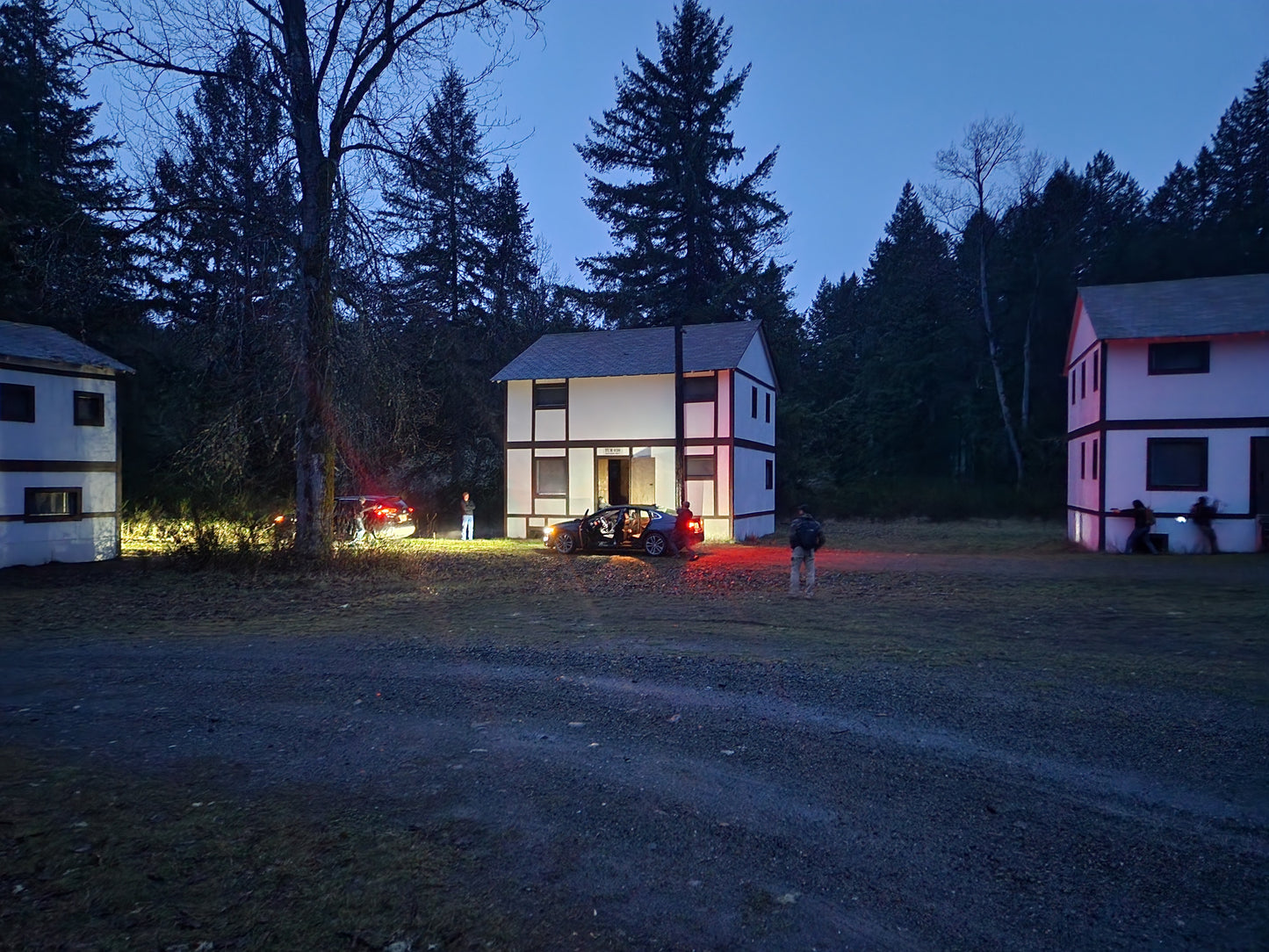
This is a 1 day Close Target Reconnaissance (CTR) seminar being hosted in Fayetteville, NC on 19 June. All equipment is provided and class will run from 0900-1700. Location to be announced.
Close Target Reconnaissance (CTR) is the deliberate, low-visibility collection of detailed, near-range intelligence on a specific person, location, or object to support timely decision-making and operations. When conducted responsibly and within legal/ethical boundaries, CTR fills the critical information gap that distant or technical collection cannot—providing precise, human-observed detail about patterns, vulnerabilities, access routes, and immediate threats.
Organizations and individuals that lack trained Close Target Reconnaissance capability are frequently blind to the subtle, near-range indicators that precede hostile action, criminal exploitation, or mission compromise. This gap results in missed early-warning signs, poorly informed planning, higher operational risk, and decreased ability to protect people, assets, and critical infrastructure. Reliance on remote sensors or after-the-fact reporting alone leaves decision-makers without the granular, context-rich intelligence needed to make timely, informed choices in dynamic environments.
Consequences of not addressing the problem
Missed indicators: Patterned behavior, rehearsals, or access rehearsals are overlooked until it’s too late.
Higher risk of compromise: Ambushes, targeted theft, or operational failure become more likely.
Poor planning: Decisions based on incomplete or low-fidelity information increase resource waste and mission failure probability.
Reduced deterrence: Adversaries exploit predictable gaps when they know targets aren’t being watched closely.
Overreliance on tech: Cameras, signals intelligence, or databases alone cannot replace contextual, human-observed detail in close environments.
What learning CTR delivers (benefits)
Early warning: Detects pre-operational behaviors and immediate vulnerabilities.
Actionable detail: Produces high-fidelity, time-relevant intelligence for planning and response.
Improved safety & survivability: Enables route selection, protective measures, and counter-surveillance.
Operational flexibility: Supports discreet reconnaissance in denied or sensitive environments where other means aren’t viable.
Stronger investigations & prosecutions: For law enforcement, CTR yields corroborated observations and documentation that strengthen cases.
Unit specific problem statements
Military / Special Operations: Units without CTR capability are vulnerable to being observed, tracked, and targeted—losing the initiative and increasing mission risk.
Law Enforcement: Investigations lacking CTR miss actionable patterns of criminal planning and lose opportunities to disrupt offenses pre-emptively.
Corporate / Private Security: High-value assets and executives are exposed to targeted exploitation when organizations cannot detect close, hostile reconnaissance.
Civilian / Homestead Defense: Families and community defenders who cannot recognize Close Target Surveillance indicators leave themselves open to burglary, targeted theft, or violent intrusion.
*This can be a physically demanding course. Show up in good health and drink water.
CTR I is the basic course with classroom instruction.
CTR II employs more advanced tactics and more difficult targets as well as night operations and more advanced tech.
Share